Organic Photovoltaics (OPV): Rethinking Where Solar Energy Can Be Generated
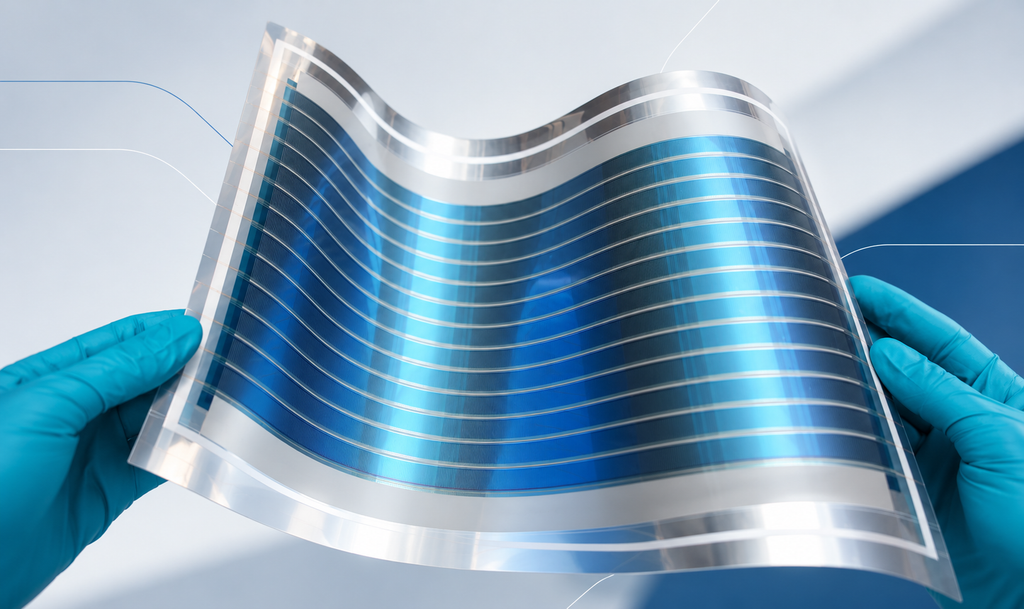
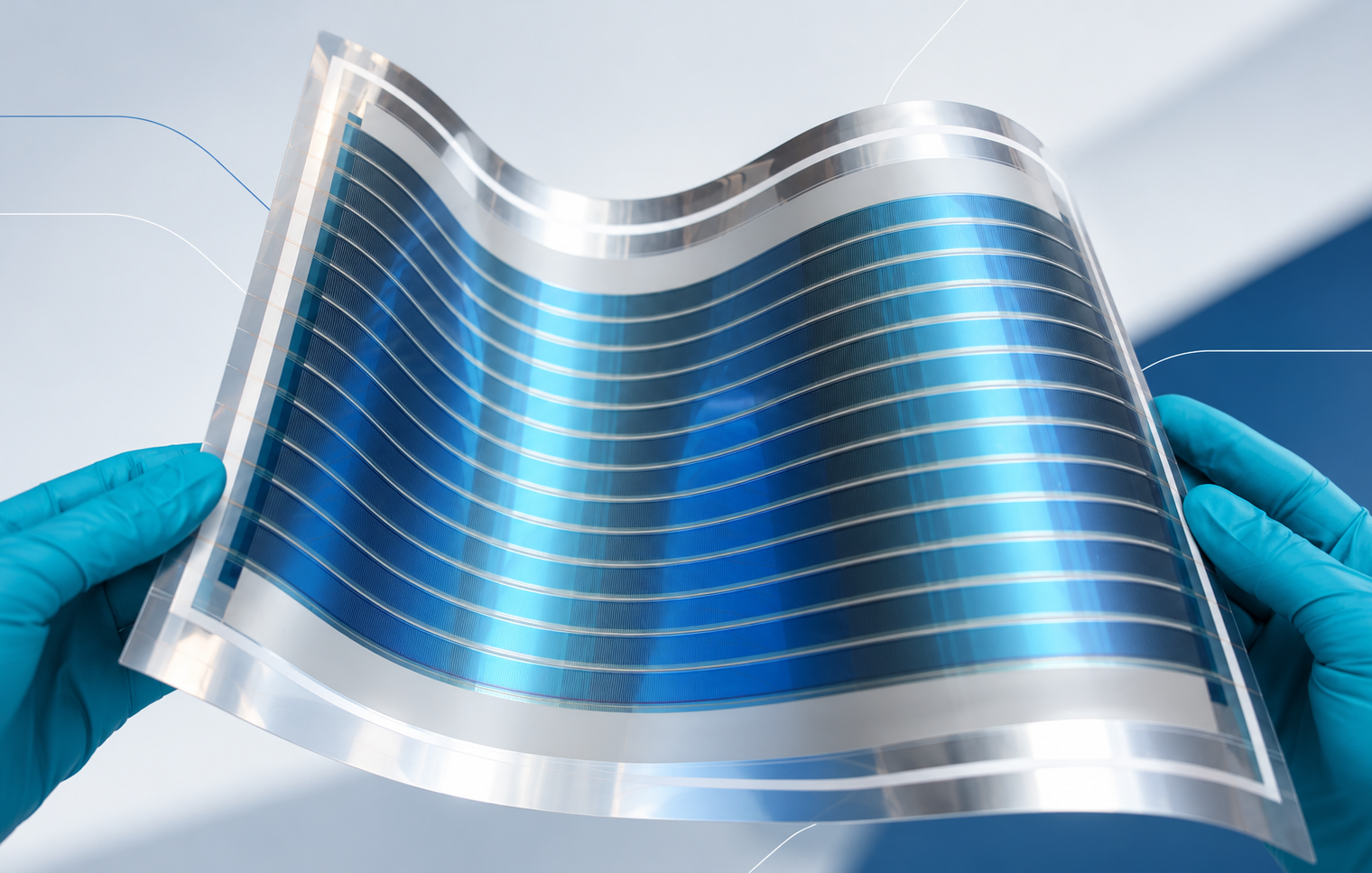
What if solar energy could be integrated into more than just traditional solar panels? Organic photovoltaics (OPV) offer an alternative approach to solar energy generation, opening up new possibilities for integrating photovoltaic technology into products, surfaces and environments where conventional solutions may not always be suitable.
As industries look for new ways to incorporate renewable energy into buildings, devices and infrastructure, OPV is attracting interest for its potential to combine energy generation with lightweight formats and greater design flexibility.
What is Organic Photovoltaics (OPV)?
Organic photovoltaics is a photovoltaic technology that uses organic semiconductor materials to convert sunlight into electricity. Like conventional photovoltaic systems, OPV relies on the photovoltaic effect: when light reaches the active material, it generates an electrical response that can be collected and used as electrical energy.
The difference lies in the materials and how the photovoltaic device is manufactured. Rather than relying exclusively on conventional silicon-based cells, OPV uses organic compounds as its light-absorbing semiconductor materials. Depending on the materials, architecture and manufacturing process, these devices can be produced in thin-film formats, potentially offering advantages in weight, flexibility and design integration.
These characteristics make OPV an interesting technology to explore for applications where the physical form of a photovoltaic device matters as much as its energy-generating function.
“The potential of organic photovoltaics lies not in replacing conventional solar panels, but in bringing energy generation to new surfaces and products.”
Where can OPV create new opportunities?
Traditional photovoltaic panels are an established solution for generating renewable electricity, particularly on rooftops and in solar installations. However, not every surface or product is designed to accommodate a conventional panel. OPV opens up opportunities to investigate alternative approaches to photovoltaic integration.
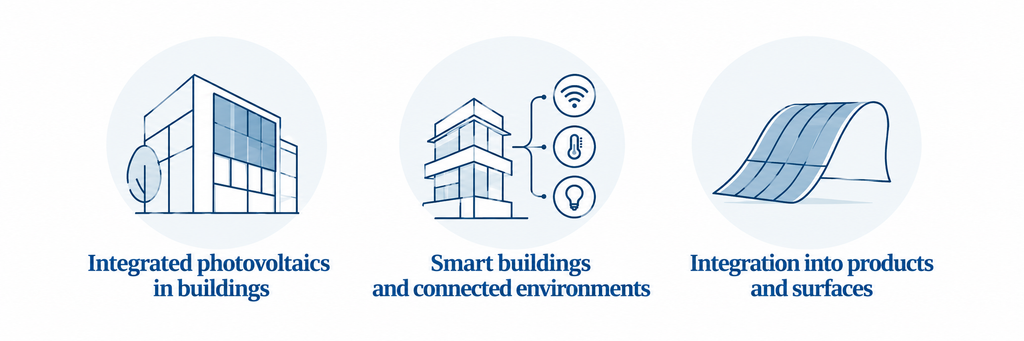
Building-Integrated Photovoltaics (BIPV)
Building-integrated photovoltaics is one area of interest. Selected façade elements, shading systems and architectural surfaces could offer opportunities to incorporate energy generation into the building itself. For architects, building technology providers and smart-building integrators, the challenge is to identify where photovoltaic functionality can be integrated without compromising the requirements of the building element.
Smart Buildings and Connected Environments
Another potential area is smart buildings and connected environments. As buildings incorporate more sensors, automation systems and connected devices, local energy generation may be worth exploring for certain low-power applications. Feasibility depends on factors such as available light, energy demand, device efficiency and the need for energy storage.
Integration into Products and Surfaces
OPV can also inspire new approaches to product and surface integration. Manufacturers and designers may explore whether photovoltaic functionality could be incorporated into products with specific weight, shape or space requirements. Each application, however, needs to be assessed individually to determine whether the technology offers a genuine advantage.
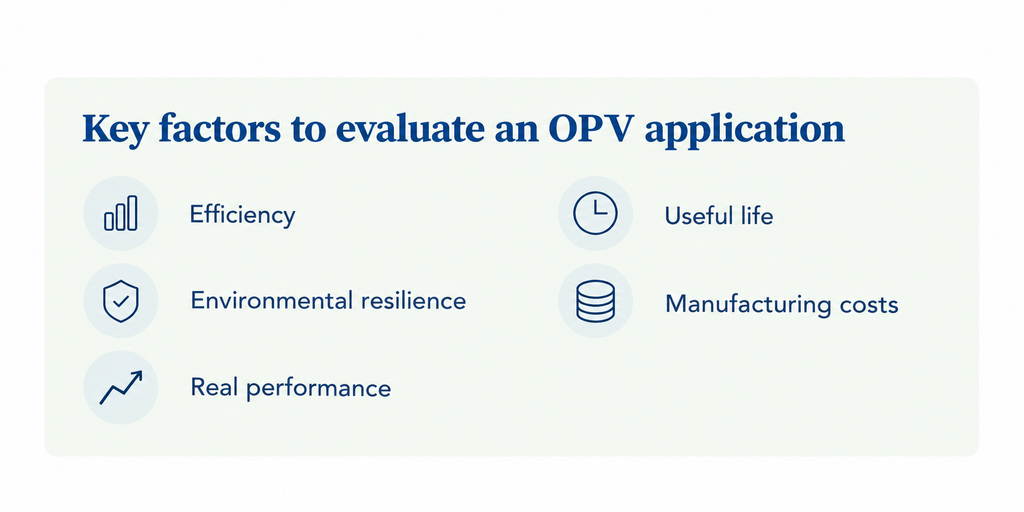
The potential benefits include lightweight formats, design flexibility and new integration possibilities. But OPV is not a universal replacement for conventional solar technologies. Efficiency, operational lifetime, environmental resistance, manufacturing costs and performance under real operating conditions remain important considerations.
Research initiatives such as the European BOOSTER project illustrate how organic photovoltaics is being explored for building applications, including flexible modules and integration into different products.
From photovoltaic technology to industrial applications
Turning a promising technology into a viable product requires more than demonstrating that it works. It involves understanding the application, defining technical requirements, evaluating materials and integration methods, and validating performance under relevant conditions.
This is where collaboration between technology developers and industrial partners becomes important. Manufacturers, building technology companies and product designers can work together to identify suitable applications and assess their technical and commercial feasibility.
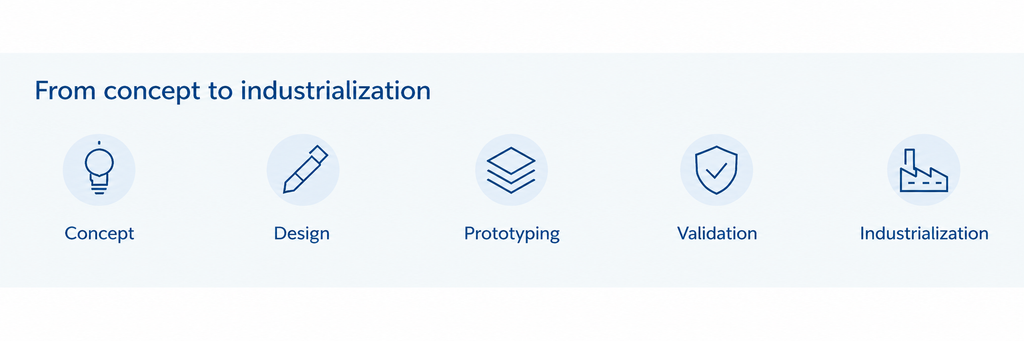
At Thinex, we develop and industrialise printed electronics solutions, combining industrial printing expertise with a collaborative approach to product development, from concept and design to prototyping, validation and industrialisation.
Discover more about Thinex and our printed electronics capabilities to learn how printed electronics can support the development of new applications.
Organic photovoltaics offers an additional route for exploring how solar energy can be integrated into products, buildings and other environments. Its potential is not defined by replacing every conventional solar panel, but by identifying applications where its particular characteristics may offer a meaningful advantage.
Where could integrating photovoltaic functionality create value for your application?
At Thinex, we believe the answer starts with collaboration, technical exploration and a clear understanding of industrial needs.
Keep Reading